Umrah in Saudi Arabia: When and How to Properly Prepare for Your Visit – A Pilgrim’s Guide to Souvenirs and Keepsakes
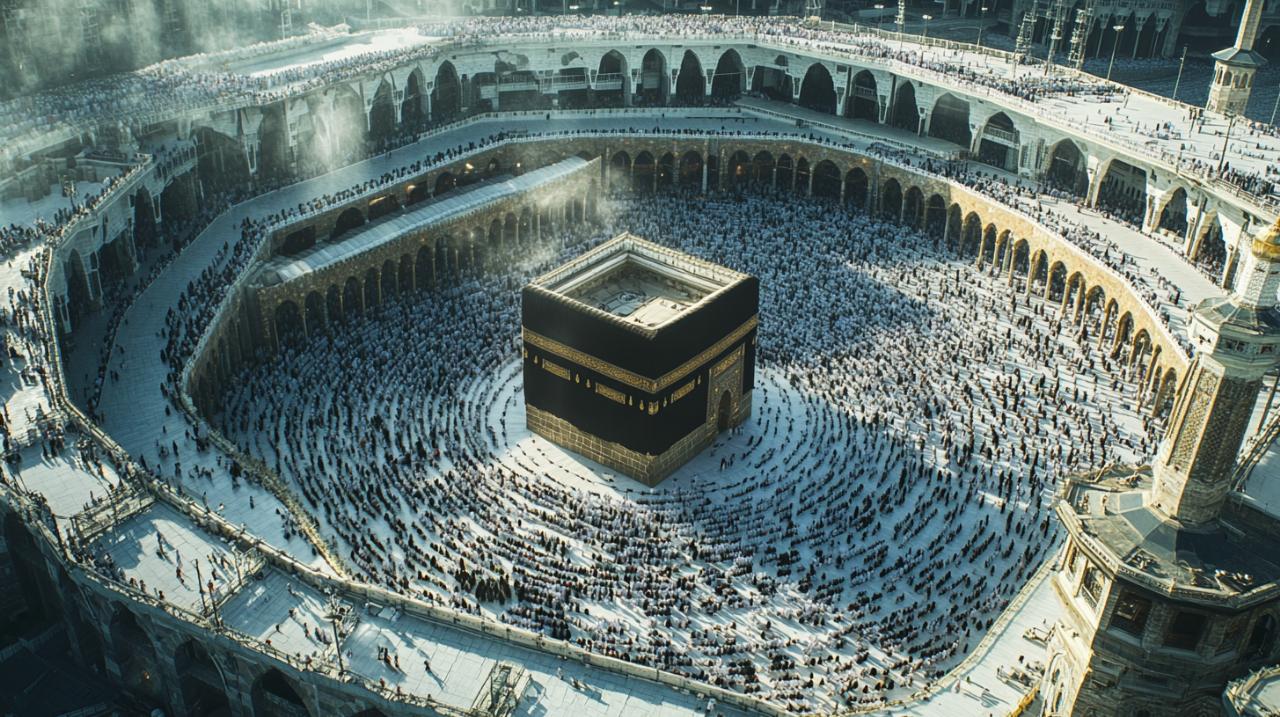
Embarking on an Umrah pilgrimage represents a profound spiritual undertaking for Muslims around the world, offering an opportunity to renew one's faith whilst standing before the house of Allah in the sacred cities of Mecca and Medina. This deeply personal journey requires thoughtful preparation, from selecting the optimal time of year to understanding the essential rituals and documentation needed for a fulfilling experience. Whether this is your first pilgrimage or you are returning to deepen your connection, understanding when to travel, how to prepare both spiritually and practically, and what meaningful keepsakes to bring home can transform your journey into an unforgettable chapter in your spiritual life.
Choosing the Ideal Time for Your Umrah Journey
Understanding Peak and Off-Peak Seasons in Mecca and Medina
Selecting the right time to perform Umrah can significantly influence your experience, as the sacred cities witness varying levels of visitors throughout the year. The pilgrimage can be undertaken at any time outside the Hajj season, but certain periods tend to attract larger crowds, particularly during Ramadan when the spiritual rewards are believed to be magnified. During these peak times, the holy sites are filled with worshippers from across the globe, creating an atmosphere of collective devotion yet also presenting challenges such as longer waiting times and crowded facilities. Conversely, the months outside Ramadan and major Islamic holidays often see fewer pilgrims, allowing for a more tranquil experience where you can perform the rituals of Tawaf and Sa'i with greater ease and personal reflection. Many seasoned travellers recommend considering the off-peak months if you prefer a quieter environment, whilst those seeking the heightened spiritual atmosphere may find the bustling energy of Ramadan deeply moving. Consulting with specialists such as Hillside Travels, who provide comprehensive guidance for UK pilgrims, can help you determine which period aligns best with your personal circumstances and spiritual goals.
Weather Considerations and Climate Patterns Throughout the Year
The climate in Saudi Arabia plays a crucial role in planning your pilgrimage, as temperatures can vary dramatically depending on the season. The summer months, spanning from June through August, bring intense heat with temperatures often soaring above forty degrees Celsius, making outdoor rituals physically demanding and requiring extra precautions for hydration and sun protection. In contrast, the winter months from November to February offer milder weather, with daytime temperatures ranging between fifteen and twenty-five degrees, creating far more comfortable conditions for performing the physically demanding aspects of Umrah such as walking between Safa and Marwa. Spring and autumn present moderate temperatures but can occasionally bring unexpected weather patterns, so checking forecasts closer to your departure date remains advisable. The importance of staying hydrated cannot be overstated regardless of when you travel, and pilgrims are encouraged to drink plenty of Zamzam water throughout their journey to maintain their wellbeing. Understanding these climate patterns allows you to pack appropriately and mentally prepare for the physical exertion involved in the rituals, ensuring that the heat or cold does not detract from the spiritual significance of your pilgrimage.
Essential preparations before departing for umrah
Documentation, visa requirements and health precautions
Before setting foot in the Kingdom of Saudi Arabia, securing the proper documentation stands as an absolute necessity for any prospective pilgrim. The Umrah visa application process has been streamlined through online platforms, allowing applicants to complete the necessary forms and submit supporting documents from the comfort of their homes. This visa permits stays of up to ninety days, providing ample time not only to complete the rituals but also to immerse yourself in the spiritual atmosphere of the holy cities. Health requirements form an essential component of the visa process, with the meningococcal vaccine being mandatory for all pilgrims seeking an Umrah visa. This precaution protects both individual travellers and the wider community gathered in close proximity during the pilgrimage. Beyond vaccinations, ensuring your passport remains valid for at least six months beyond your planned return date prevents last-minute complications. It is also wise to prepare copies of all essential documents, including your visa approval, vaccination certificates, and travel insurance details. Those booking through reputable operators can often receive assistance navigating these administrative requirements, making the process considerably less daunting for first-time pilgrims.
Packing Wisely: What to Bring and What to Leave Behind
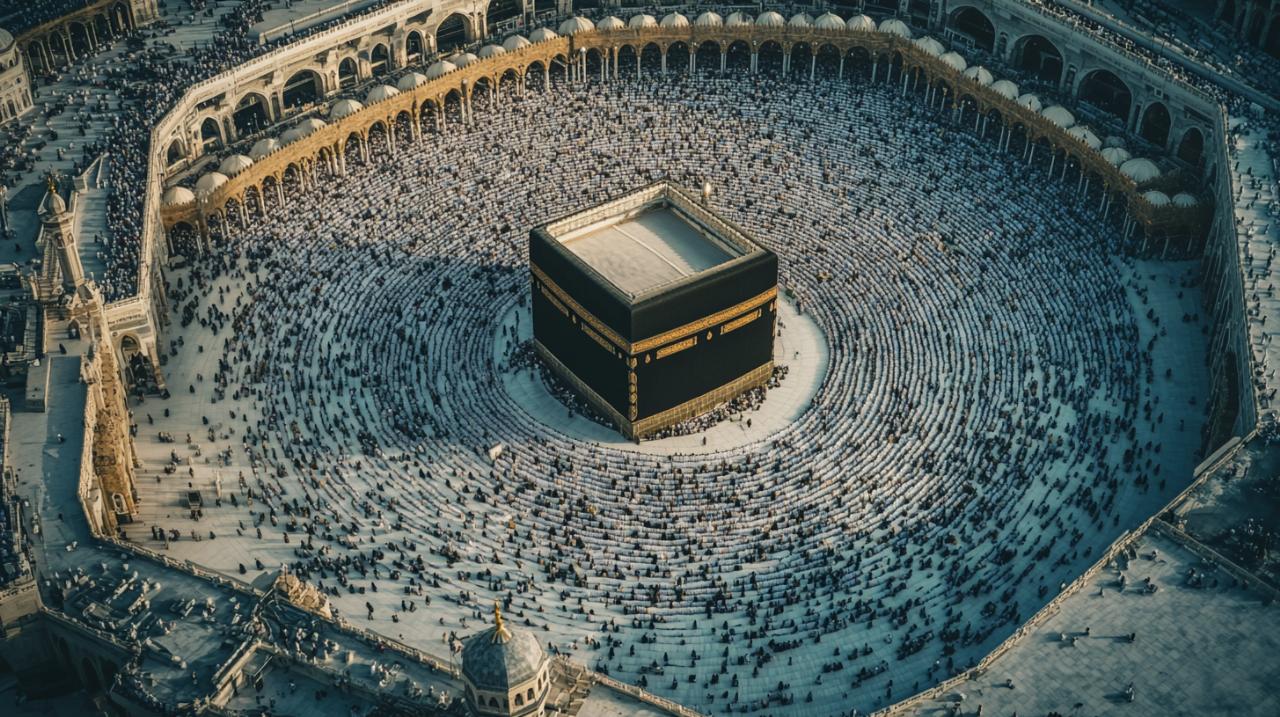
Thoughtful packing can make the difference between a smooth pilgrimage and one fraught with discomfort and distraction. For men, the journey begins with entering the state of Ihram, which requires wearing two simple white cloths that symbolize purity and equality before Allah. Women, meanwhile, should pack modest clothing that covers the body appropriately whilst allowing freedom of movement during the rituals. Comfortable sandals rank among the most critical items to bring, as you will spend considerable time walking on various surfaces, from the smooth marble of the Grand Mosque to the hills of Safa and Marwa. Footwear that causes blisters or discomfort can turn a spiritually enriching experience into a physical ordeal. Beyond clothing, consider packing a small bag for carrying essentials such as a Quran, prayer beads, and any personal items needed during the day. Many pilgrims also bring a collapsible water bottle to ensure they remain hydrated, particularly if travelling during warmer months. It is equally important to consider what not to bring: excessive luggage, valuable jewellery, and non-essential electronics can become burdens rather than aids. The journey of Umrah emphasizes simplicity and humility, and packing in this spirit helps maintain focus on the spiritual rather than material aspects of your pilgrimage. Booking your Umrah tickets well in advance typically secures better rates and greater flexibility in luggage allowances, with promotional offers such as the code RAMADAN26 providing twenty-five pounds off Emirates flights for those planning ahead.
Meaningful Souvenirs and Keepsakes from Your Sacred Journey
Traditional Items and Religious Mementoes to Collect
Returning from Umrah with tangible reminders of your spiritual journey allows you to maintain a connection to the sacred experience long after you have returned home. Among the most cherished items pilgrims bring back is Zamzam water, drawn from the blessed well within the precincts of the Grand Mosque, believed to carry healing properties and spiritual benefits. Many travellers collect several bottles to share with family and friends who were unable to make the journey themselves. Prayer rugs purchased in the markets surrounding the holy sites serve as both functional items and sentimental keepsakes, with intricate designs often depicting the Kaaba or other significant landmarks. Miswak, the traditional teeth-cleaning twig mentioned in prophetic traditions, makes for an authentic and practical souvenir that connects daily routines to spiritual practice. Dates from Medina, particularly the prized Ajwa variety, are frequently purchased both for personal consumption and as gifts, carrying with them the blessings of the blessed city. Fragrances and oils, including attar and oud, offer sensory reminders of your time in the holy lands, with many shops near the mosques specializing in these traditional Arabian scents. Books and manuscripts, particularly beautifully bound editions of the Quran or collections of supplications, provide lasting spiritual nourishment. The final act of shaving or clipping hair, which symbolizes humility and the completion of Umrah, can be followed by keeping a small lock as a personal reminder of this transformative moment.
Respectful shopping etiquette and authentic marketplace recommendations
Navigating the bustling marketplaces surrounding the holy sites requires both cultural awareness and practical wisdom to ensure your purchases are authentic and ethically sourced. The areas around the Grand Mosque in Mecca and the Prophet's Mosque in Medina feature countless shops and stalls offering everything from religious items to general merchandise, creating an overwhelming array of choices for the uninitiated visitor. Approaching vendors with courtesy and patience reflects the spiritual humility cultivated during your rituals, and remember that bargaining remains a common and expected practice in many traditional shops, though always conducted respectfully. Taking time to compare quality and prices across multiple vendors helps ensure you receive fair value, particularly for higher-priced items such as precious stones or crafted metalwork. Be cautious of overly aggressive sales tactics or items that seem suspiciously inexpensive, as these may indicate counterfeit or poor-quality goods. Many experienced pilgrims recommend seeking out established shops with transparent pricing rather than temporary market stalls for significant purchases. It is also worth noting that the spiritual focus of your journey should take precedence over material acquisition, and the rituals of Umrah typically require only a few hours to complete, though most pilgrims choose to extend their stay for seven to ten days to fully absorb the atmosphere and perform additional prayers. This extended period provides ample opportunity to explore the markets thoughtfully rather than rushing through purchases. Following a step-by-step approach to both your spiritual obligations and your souvenir shopping ensures that neither aspect detracts from the other. Whether you opt for budget-friendly packages or more luxurious five-star accommodations for your 2025 or 2026 pilgrimage, the memories and mementoes you gather will serve as enduring reminders of your journey toward spiritual renewal and peace. For personalized guidance and booking assistance, reaching out to specialists at 0208 552 2033 can provide the expert advice needed to make your Umrah experience both meaningful and memorable.