Our Guide to Diving in Phu Quoc: What to Pack for Exploring Vietnam’s Premier Coral Reefs
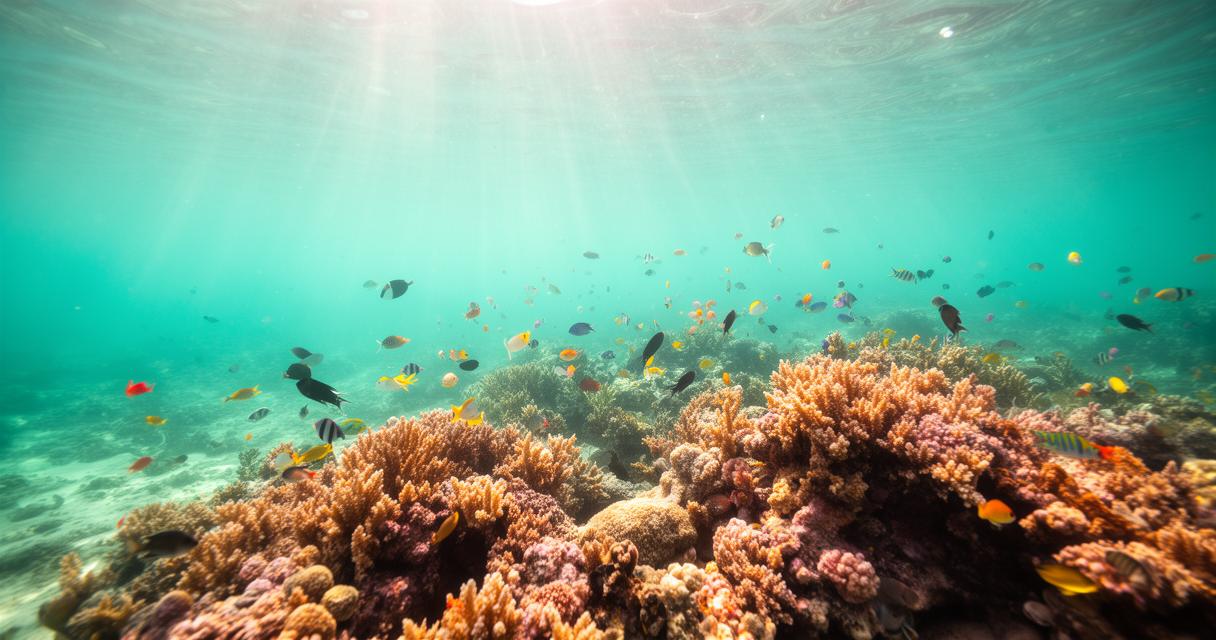
Tucked away in the turquoise embrace of the Gulf of Thailand, Phu Quoc has emerged as one of Southeast Asia's most captivating destinations for underwater exploration. This verdant island, Vietnam's largest, boasts a coastline fringed with pristine beaches and a subaquatic realm teeming with vibrant coral gardens and diverse marine species. Whether you're a seasoned technical diver or someone simply yearning to dip beneath the surface with a snorkel, Phu Quoc offers an accessible yet thrilling portal into a world where technicolour fish dart among swaying sea fans and ancient coral formations. Preparing properly for your aquatic adventure ensures not only your comfort and safety but also helps protect the delicate ecosystems that make this region so extraordinary.
- Phu Quoc is a premier destination in Southeast Asia for underwater exploration, featuring vibrant coral reefs and diverse marine life.
- Divers should prioritize a well-fitted wetsuit for protection, alongside essential gear like low-volume masks, comfortable fins, and snorkels.
- Responsible tourism is emphasized by encouraging the use of reef-safe sunscreen and gear made from sustainable materials to protect delicate ecosystems.
- A dive computer and surface marker buoy are recommended for safety and navigation, especially when planning multiple dives or exploring busy areas.
- Night diving requires reliable lighting equipment, such as primary and backup torches, to safely observe nocturnal species like lobsters and octopuses.
- Underwater photography is popular due to the clear water, but divers are strictly advised against touching coral to preserve the marine environment.
- The island offers a variety of dive sites suitable for all skill levels, with local operators actively promoting environmental conservation through their tours.
Essential Diving Kit and Equipment for Phu Quoc's Underwater Wonders
Packing the right gear is fundamental to enjoying the rich marine life that flourishes around Phu Quoc's reefs. The warm, tropical waters here remain inviting year-round, typically ranging between twenty-seven and thirty degrees Celsius, which means you can often get away with lighter thermal protection than you might need in cooler seas. However, this doesn't mean you should skimp on quality or completeness when assembling your kit. A well-fitted wetsuit, even a shorty or three-millimetre full suit, provides not only warmth but also a layer of defence against accidental brushes with coral or jellyfish. Given the emphasis on responsible tourism and marine conservation in Phu Quoc, choosing gear made from sustainable materials or renting locally can reduce your environmental footprint while supporting the island's eco-friendly tourism initiatives.
Core diving gear: what every diver needs in vietnamese waters
Your mask, fins, and snorkel form the holy trinity of any underwater excursion, whether you're exploring shallow coral gardens or descending to deeper sites. A low-volume mask with tempered glass lenses ensures excellent visibility and makes equalising easier as you descend, while a comfortable silicone skirt prevents leaks and chafing during extended immersions. Fins should strike a balance between power and manoeuvrability; open-heel models with adjustable straps tend to offer more versatility, especially if you plan to wear neoprene booties for foot protection on rocky entry points. Snorkelling equipment is equally important for those who prefer to stay near the surface, as many of Phu Quoc's most spectacular coral formations lie in shallow waters accessible without scuba certification. Buom Island, Dam Ngoai Island, Doi Moi Island, and Kim Quy Island are celebrated snorkelling spots where even beginners can witness the kaleidoscope of marine species that call these reefs home.
Beyond the basics, a dive computer is indispensable for tracking your depth, bottom time, and decompression status, particularly if you plan multiple dives across several days. Many divers also pack a surface marker buoy to enhance their visibility to boats when ascending in areas with busy marine traffic. A small mesh bag or dry sack can be handy for storing personal items during boat trips, keeping your essentials safe while you focus on the underwater spectacle. Don't forget a reef-safe sunscreen to protect your skin above water; traditional formulations containing oxybenzone and octinoxate can harm coral reefs, so opting for mineral-based alternatives aligns with the island's commitment to reducing single-use plastics and promoting environmental awareness.
Specialist Equipment for Night Dives and Underwater Photography
For those seeking to extend their diving adventures beyond daylight hours, night dives around Phu Quoc reveal an entirely different cast of characters. Nocturnal creatures such as lobsters, octopuses, and hunting lionfish emerge under the cover of darkness, transforming familiar reefs into mysterious, otherworldly landscapes. A reliable dive torch is non-negotiable for these excursions, with a primary light offering at least a thousand lumens and a backup torch as insurance against equipment failure. Many divers also attach a small strobe or glow stick to their tank valve, making it easier for dive buddies and guides to keep track of one another in the inky blackness.
Underwater photography has become increasingly popular in Phu Quoc, thanks to the clarity of the water and the abundance of photogenic subjects. If you're planning to document your encounters with the island's marine life, a compact underwater camera or a waterproof housing for your smartphone can suffice for casual snappers. More serious photographers might bring along a mirrorless or DSLR system with a dedicated underwater housing, along with strobes or video lights to illuminate subjects and bring out the vivid colours that the water's natural filtration tends to mute. Macro lenses are particularly rewarding here, as the reefs harbour countless tiny critters, from nudibranchs to shrimp, that make for stunning close-up compositions. Regardless of your setup, remember that touching coral reefs is strictly discouraged, both for your safety and to preserve the delicate marine ecosystems that took decades or even centuries to form.
Premier dive sites and marine life encounters around phu quoc island
Phu Quoc's underwater topography is as varied as it is enchanting, with sites catering to every skill level and interest. The island's position in the Gulf of Thailand places it at the confluence of nutrient-rich currents, which support dense coral coverage and attract a dazzling array of fish species. From gentle drift dives over sloping reefs to more challenging explorations of submerged pinnacles, the diversity of dive sites ensures that no two days beneath the waves are quite the same. Local tour operators such as John's Tours have played a pivotal role in promoting environmental awareness among tourists, offering daily boat trips, private tours, and even transportation services with vehicles ranging from seven to forty-six seats to accommodate groups of all sizes. These operators not only facilitate access to remote dive sites but also educate visitors about the importance of marine conservation and the impact that irresponsible behaviour can have on fragile ecosystems.
Top Coral Reef Locations and What You'll Discover Beneath the Surface
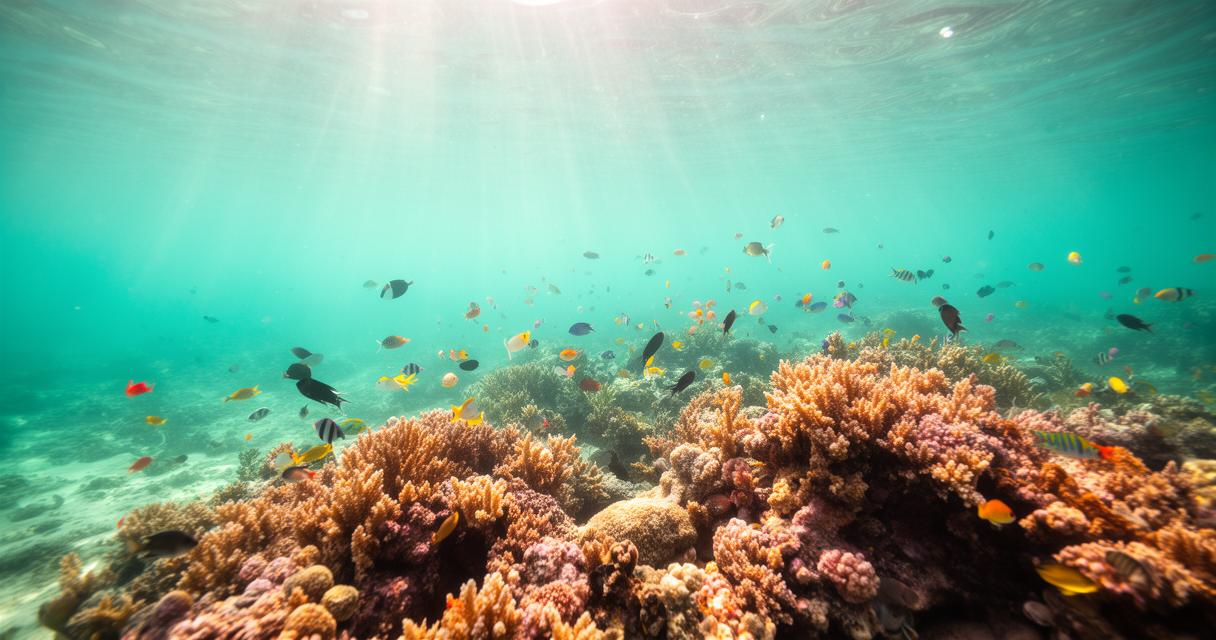
Among the most celebrated dive sites around Phu Quoc are the coral gardens near the An Thoi Archipelago, a chain of small islets south of the main island. Here, the reefs cascade down gentle slopes adorned with hard and soft corals, creating a three-dimensional habitat for groupers, fusiliers, and the occasional passing reef shark. Visibility can reach twenty-five metres on calm days, allowing divers to appreciate the intricate architecture of the reefs and the interplay of light filtering through the water column. Buom Island, also known as Butterfly Island, lives up to its name with delicate coral formations that seem to flutter in the current, while Dam Ngoai Island offers slightly deeper dives with the chance to spot larger pelagic species such as barracuda and trevally.
Doi Moi Island, a favourite among both divers and snorkelers, features a plateau topped with staghorn corals that provide refuge for juvenile fish and invertebrates. The shallow sections are perfect for snorkelling, allowing non-divers to marvel at the same ecosystems from above. Kim Quy Island rounds out the list of must-visit sites, with its steep walls draped in gorgonian sea fans and patrolled by schools of snappers and angelfish. These locations showcase the incredible biodiversity that has made Phu Quoc a beacon for eco-friendly tourism, and visiting them underscores the importance of responsible practices such as avoiding the purchase of coral souvenirs and disposing of trash properly both on land and at sea.
Snorkelling Spots and Shallow Water Experiences for All Abilities
Not everyone who visits Phu Quoc arrives with a dive certification, but that shouldn't deter you from experiencing the island's underwater magic. Snorkelling in the shallow bays and lagoons offers an accessible entry point into the marine world, with many sites lying just a short swim from the beach. The waters around Buom Island and Dam Ngoai Island are particularly well-suited to snorkelling, with coral heads rising to within a few metres of the surface and visibility often exceeding fifteen metres. Wearing a full-body swimsuit not only protects your skin from the sun's rays but also minimises the need for chemical sunscreens that can leach harmful substances into the water, supporting the island's efforts to reduce environmental impact.
Before venturing out, it's wise to learn about the destination and familiarise yourself with the species you're likely to encounter. Understanding the importance of marine ecosystems helps foster a deeper appreciation for the life beneath the waves and encourages behaviours that safeguard these habitats for future generations. Simple actions, such as choosing eco-friendly cosmetics and avoiding touching coral reefs, can make a significant difference. Many snorkellers also bring along an underwater camera or action cam to capture their encounters with the vibrant fish and invertebrates that populate these shallow reefs, creating lasting memories without leaving a trace of their visit.
Planning your phu quoc diving holiday: practical tips and local insights
A successful diving holiday in Phu Quoc hinges on more than just packing the right gear; thoughtful planning around travel logistics, accommodation, and timing can elevate your experience from enjoyable to unforgettable. The island has undergone significant development in recent years, with improved infrastructure making it easier than ever to reach even the most remote dive sites. Direct flights connect Phu Quoc to major cities in Vietnam and neighbouring countries, and once on the island, a range of transportation services, including car rentals and private tours, ensure you can explore at your own pace. The dry season, which runs from November through to April, is widely regarded as the best time to visit, offering calmer seas, clearer skies, and optimal visibility underwater.
Accommodation Options, Travel Logistics and Best Times to Visit
Accommodation on Phu Quoc ranges from budget-friendly guesthouses tucked away in quiet fishing villages to luxury resorts lining the island's famous Long Beach. For divers, staying near the southern tip in An Thoi or close to the main dive operators in Duong Dong can minimise travel time to the most popular sites. Many resorts and hotels have embraced eco-friendly tourism principles, incorporating solar panels, water-saving measures, and waste reduction programmes into their operations. When booking, look for properties that actively support marine conservation or partner with local environmental groups, as your patronage can help fund ongoing efforts to protect the island's coral reefs.
Getting around Phu Quoc is straightforward, with motorbikes available for hire if you're comfortable navigating tropical roads, or private cars and shuttle services if you prefer a more relaxed approach. John's Tours, for instance, provides transportation options ranging from compact seven-seater vehicles to larger forty-six-seat coaches, making it easy to coordinate group trips to dive sites, cultural landmarks, or even excursions to nearby beaches. The island's road network has improved dramatically, and most dive centres are accessible within thirty to forty minutes from the main town. If you're planning to visit during the peak season, booking your accommodation and dive trips well in advance is advisable, as spaces on popular boat trips can fill up quickly.
Beach relaxation, vietnamese cuisine and cultural experiences beyond diving
While the underwater attractions are undeniably the star of any Phu Quoc itinerary, the island offers plenty of diversions for surface intervals and rest days. The beaches here are nothing short of spectacular, with powdery white sand and swaying palms providing the perfect backdrop for lazy afternoons. Sao Beach, on the eastern coast, is often cited as one of the island's most beautiful, with shallow, crystal-clear waters ideal for wading and swimming. Ong Lang Beach, slightly quieter and less developed, appeals to those seeking a more tranquil escape, while Long Beach stretches for miles along the western shore, offering stunning sunsets that paint the sky in shades of amber and rose.
Beyond the beaches, Phu Quoc's cultural landscape is equally rewarding. The island has a rich history shaped by fishing communities and pepper plantations, and exploring local markets or visiting family-run farms provides a glimpse into traditional Vietnamese life. The island's cuisine is another highlight, with seafood taking centre stage in dishes such as grilled squid, fish hotpot, and the famous Phu Quoc fish sauce, which is prized throughout Vietnam for its quality and depth of flavour. Sampling these delicacies at beachfront restaurants or night markets is a sensory experience that complements the visual feast you'll enjoy underwater.
For those with time to spare, day trips to nearby attractions in Cambodia and Thailand are also possible, thanks to Phu Quoc's proximity to the borders of both countries. However, most visitors find that the island itself offers more than enough to fill a week or two, especially when you factor in multiple dives, leisurely beach days, and cultural excursions. Whether you're exploring the vibrant coral reefs, indulging in traditional cuisine, or simply soaking up the tropical atmosphere, Phu Quoc delivers a holistic holiday experience that respects and celebrates its natural and cultural heritage. By embracing responsible tourism practices, from reducing single-use plastics to supporting local operators who prioritise environmental awareness, you contribute to the preservation of this island paradise for generations to come.