Suitcase Lock: How to Choose? Practical Advice on Selecting the Right Size Without Adding Bulk
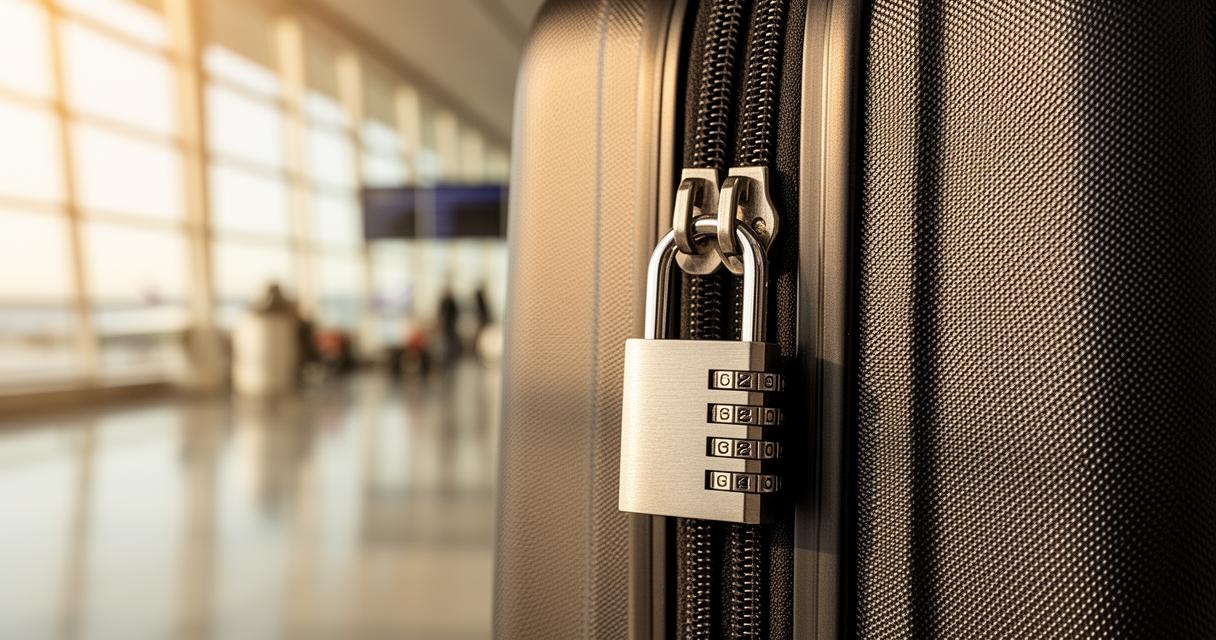
Selecting a luggage lock might seem straightforward at first glance, yet the decision involves balancing multiple factors to ensure your belongings remain secure without compromising the ease of travel. With numerous options available, from compact combination mechanisms to robust padlocks, understanding what truly matters can transform a potentially frustrating experience into a seamless journey. The right lock not only acts as a theft deterrent but also complies with airport security protocols, ensuring your suitcase remains intact throughout your travels.
- Choosing a luggage lock requires balancing robust theft deterrence with the need to keep your suitcase lightweight and portable.
- Modern compact lock designs, such as cable locks, allow for secure attachment to zipper pulls without adding unnecessary bulk to your luggage.
- Prioritizing high-quality materials like stainless steel ensures the lock resists corrosion, rust, and tampering throughout various travel environments.
- A well-engineered lock should feature smooth mechanical operation and a solid housing to prevent jamming or damage during transit.
- Travellers must decide between combination locks and key locks based on personal preference regarding the convenience of not carrying a physical key.
- Ensuring your chosen lock complies with airport security protocols is essential to prevent damage to your suitcase during security screenings.
Understanding lock size and weight considerations
The physical dimensions and weight of a luggage lock play a crucial role in maintaining the sleek profile of your suitcase whilst providing adequate security. Travellers often overlook how even a small addition can affect the overall portability and aesthetic of their luggage, especially when airlines impose strict weight limits. A lock that is too bulky can interfere with other items in your bag or make it difficult to store your suitcase in overhead compartments. Therefore, finding a model that offers robust protection without becoming a burden is essential for anyone who frequently moves through airports or relies on checked luggage during transit.
Finding the Perfect Balance Between Security and Portability
Achieving the ideal equilibrium between security features and portability requires careful evaluation of the lock's design and construction. A lock should offer sufficient strength to deter opportunistic theft whilst remaining lightweight enough not to contribute significantly to your luggage's overall mass. Many modern locks incorporate advanced materials and engineering techniques that deliver high levels of security without excessive weight, making them suitable for both short city breaks and extended international trips. The goal is to select a device that integrates seamlessly with your suitcase, ensuring that the added security does not compromise ease of use or add unnecessary bulk that could become cumbersome during your travels.
Compact lock designs that won't weigh down your luggage
Compact lock designs have become increasingly popular among travellers who prioritise both security and convenience. These smaller models are engineered to fit snugly on zipper pulls or within the integrated locking mechanisms of modern suitcases, ensuring they do not protrude or catch on other items. Cable locks, for instance, offer flexibility by allowing you to secure multiple pieces of luggage or even attach your bag to a fixed object in a hotel room or on public transport. Despite their minimal size, these locks maintain a strong construction that can withstand attempts at forced entry. When evaluating compact options, it is important to ensure that the reduced size does not translate into compromised durability, as the lock must still serve its primary function of protecting your belongings throughout your journey.
Material Quality and Construction Features to Look For
The longevity and effectiveness of a luggage lock depend heavily on the materials used in its construction and the quality of its manufacturing. Inferior materials can lead to premature wear, corrosion, or even complete failure when subjected to the rigours of travel. Security is not solely about preventing theft; it is also about ensuring that the lock remains functional and reliable across numerous trips. Travellers should pay close attention to the finish, the smoothness of the locking mechanism, and the overall build quality when selecting a lock. A well-constructed lock will endure the bumps and knocks of transit storage, resist damage from exposure to varying climates, and continue to operate smoothly even after repeated use.
Why Stainless Steel Remains the Gold Standard for Durability
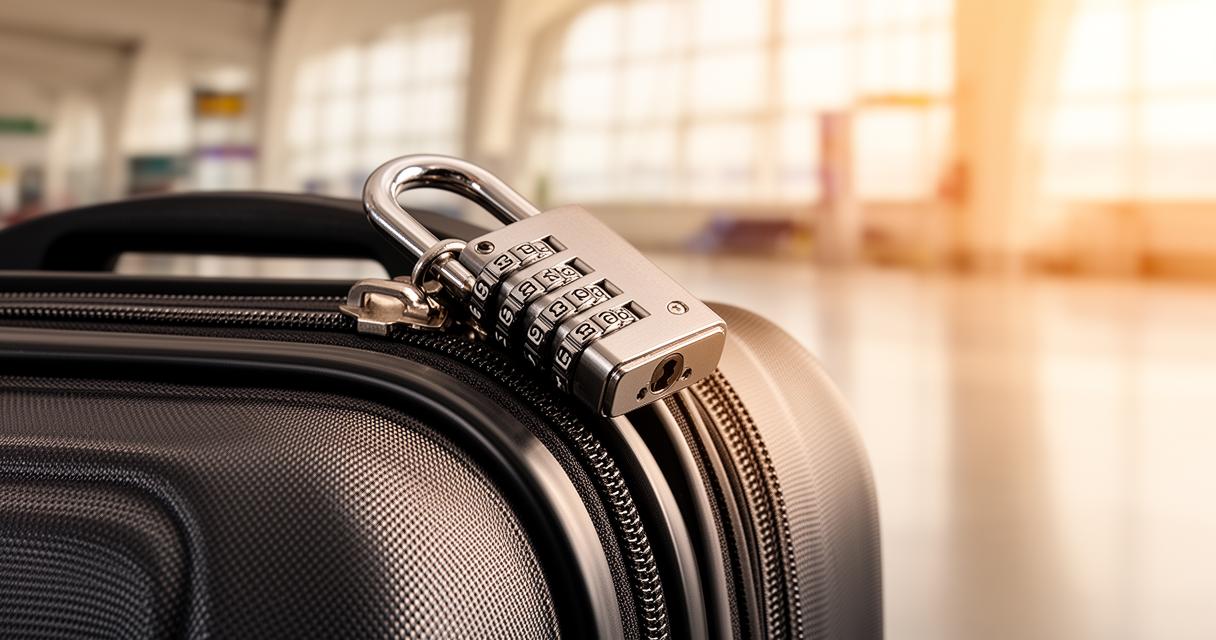
Stainless steel has long been regarded as the gold standard for luggage locks due to its exceptional resistance to corrosion and its inherent strength. This material does not rust easily, even when exposed to moisture or salt air, making it ideal for travellers who frequently visit coastal destinations or experience humid climates. The robust nature of stainless steel ensures that the lock can withstand forceful attempts at tampering, providing a reliable barrier against theft. Additionally, locks made from this material tend to have a longer lifespan, reducing the need for frequent replacements and offering better value over time. When examining a lock, checking for stainless steel components, particularly in the shackle and body, can give you confidence that the product will maintain its integrity throughout countless journeys.
Evaluating build quality to ensure long-term reliability
Beyond the choice of materials, the overall build quality of a lock is a critical factor in determining its reliability over the long term. A well-engineered lock features precise manufacturing tolerances, smooth operation, and a secure locking mechanism that does not jam or become difficult to operate. Travellers should test the lock before purchasing, if possible, to ensure that the combination or key mechanism functions smoothly and that there are no signs of looseness or instability. The housing of the lock should feel solid, with no sharp edges or flimsy components that might break under stress. Locks with a reputation for durability often come from established brands known for their attention to detail and rigorous quality control. Investing in a lock with superior build quality not only enhances security but also provides peace of mind, knowing that the device will perform consistently regardless of the conditions it encounters during your travels.
Choosing Between Combination and Key Locks for Travel Convenience
Deciding between a combination lock and a key lock is one of the fundamental choices travellers must make, as each type offers distinct advantages and potential drawbacks. Combination locks eliminate the need to carry a physical key, reducing the risk of losing access to your luggage if the key goes missing. On the other hand, key locks are often simpler to operate and may offer a more straightforward locking mechanism. Understanding how each type functions and the scenarios in which they excel can help you make an informed decision that aligns with your travel habits and preferences. The choice ultimately depends on whether you prioritise convenience, simplicity, or the assurance of a mechanical key-based system.
The practical advantages of combination mechanisms
Combination locks have gained widespread popularity among travellers due to their inherent convenience and the elimination of key-related concerns. With a combination lock, you set a numerical code that you can memorise or record securely, removing the worry of losing a small key during a hectic journey. This type of lock is particularly beneficial for those who travel frequently, as it simplifies the process of securing and accessing luggage without fumbling for keys at airport terminals or hotel lobbies. Modern combination locks often feature easy-to-read dials or digital interfaces that make setting and resetting the code straightforward. Additionally, the absence of a key means there is one less item to keep track of, which can be a significant advantage when juggling multiple bags, documents, and travel accessories. It is worth noting that testing your combination lock at home before your trip ensures you are familiar with its operation and can avoid any confusion when you need to access your belongings in transit.
Tsa-approved locks: meeting security standards whilst protecting your belongings
TSA-approved locks represent a critical innovation for travellers passing through airports, particularly those departing from or arriving in regions where security protocols are stringent. These locks are designed with a special mechanism that allows airport security personnel to open them using a master key, thereby avoiding damage to your luggage during inspections of checked items. This feature is essential because it ensures that your suitcase remains secure against opportunistic theft whilst still permitting authorised access when necessary. Without a TSA-approved lock, security staff may be forced to break a standard lock to inspect the contents of your bag, leading to inconvenience and potential damage. TSA compatibility does not compromise the lock's effectiveness as a deterrent; rather, it provides a balanced solution that accommodates both security requirements and the traveller's need for protection. When selecting a lock, verifying that it bears the official TSA logo or certification can save you from unnecessary hassle and ensure that your belongings remain safeguarded throughout your journey. Furthermore, securing both zipper pulls with a TSA-approved lock prevents accidental openings and adds an extra layer of security, making it more difficult for anyone to access the contents of your luggage without proper authorisation.